

Hair Loss
Hair Loss Solutions
About
[mb_services_menu]
Hair loss is a common concern among men, with the most prevalent cause being androgenetic alopecia, also known as male pattern baldness. This hereditary condition affects up to 50% of men by age 50. Male pattern baldness typically follows a distinct pattern, starting with receding hair at the temples and thinning at the crown. For many men, this leads to a noticeable change in appearance over time, often influenced by both genetic factors and hormonal sensitivity to DHT (Dihydrotestosterone).

faq
At Aventus Clinic, all transplants and hair loss treatments are performed by experienced UK surgeons.
Medical Director

Hair Transplant Surgeon

“To make expert medical care accessible, reassuring, and life changing for every patient we serve.”


Voted Specialist Hair & Skin Clinic of the Year

Independent quality inspection
“To make expert medical care accessible, reassuring, and life changing for every patient we serve.”
Trusted by thousands across the UK.
hair loss stages

The first stage often begins with hair receding at the temples, creating a more pronounced forehead.
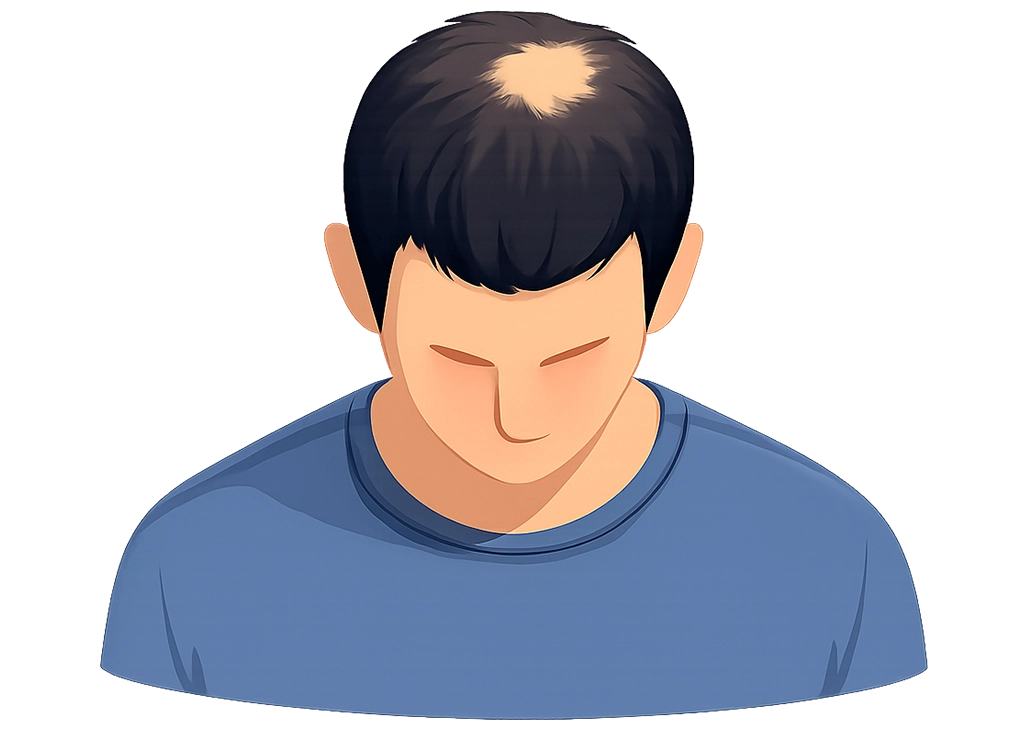
Thinning starts to become visible around the crown, sometimes in conjunction with temple recession.
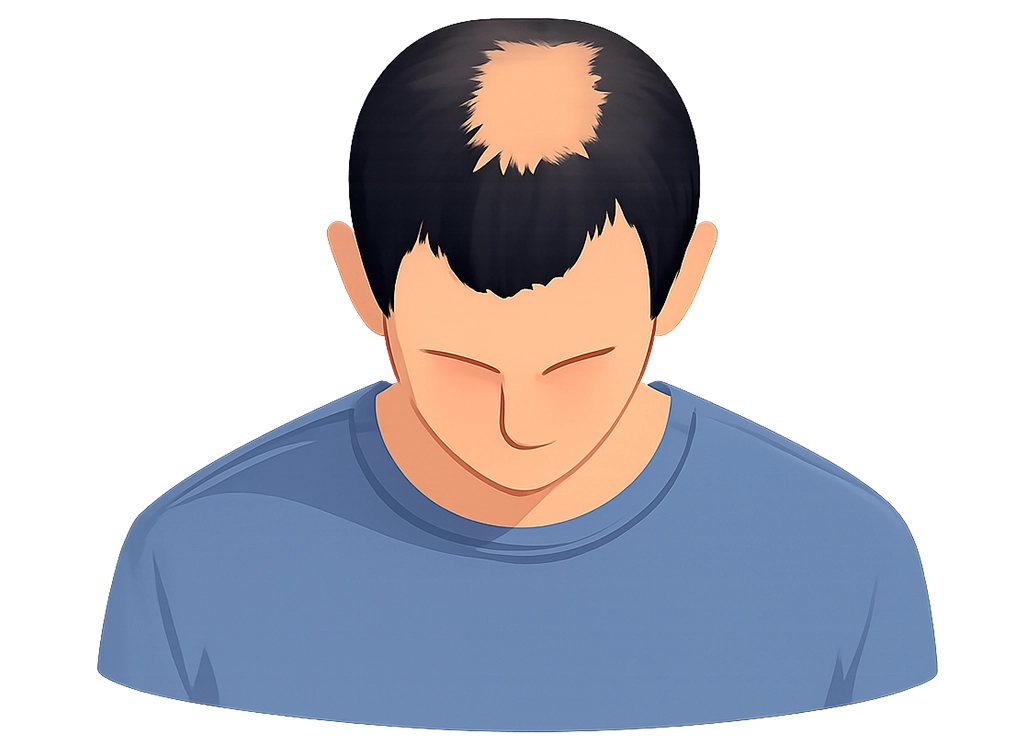
The hair across the crown and mid-scalp may thin significantly, creating a larger area of visible scalp.
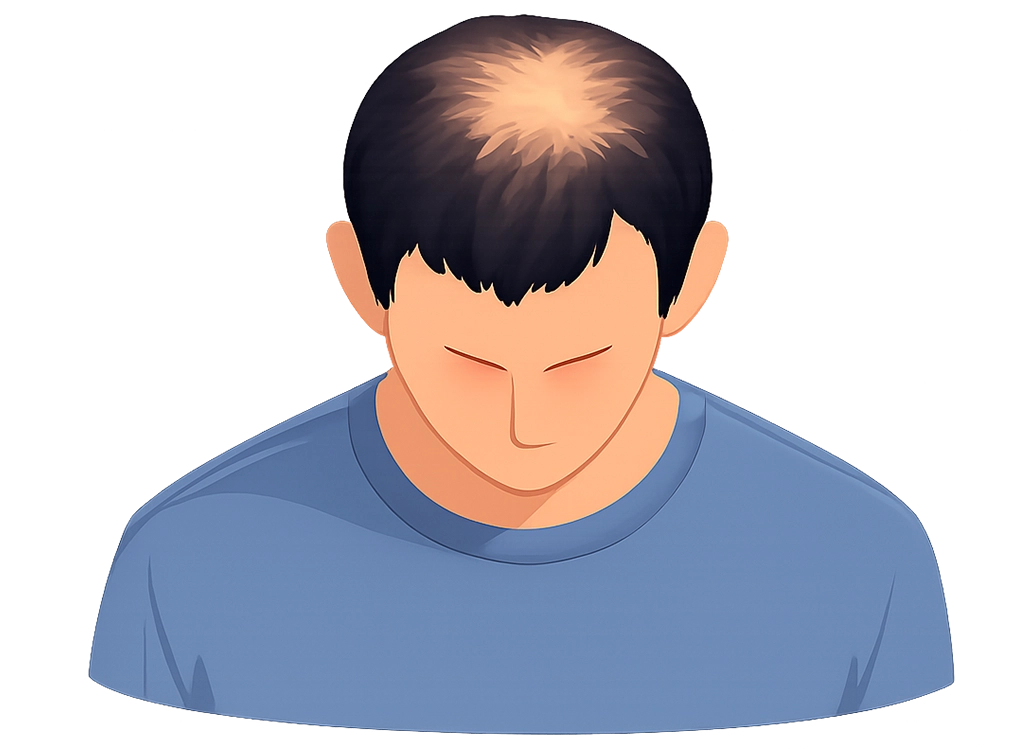
Hair loss spreads across the top of the head, with only sparse hair remaining.
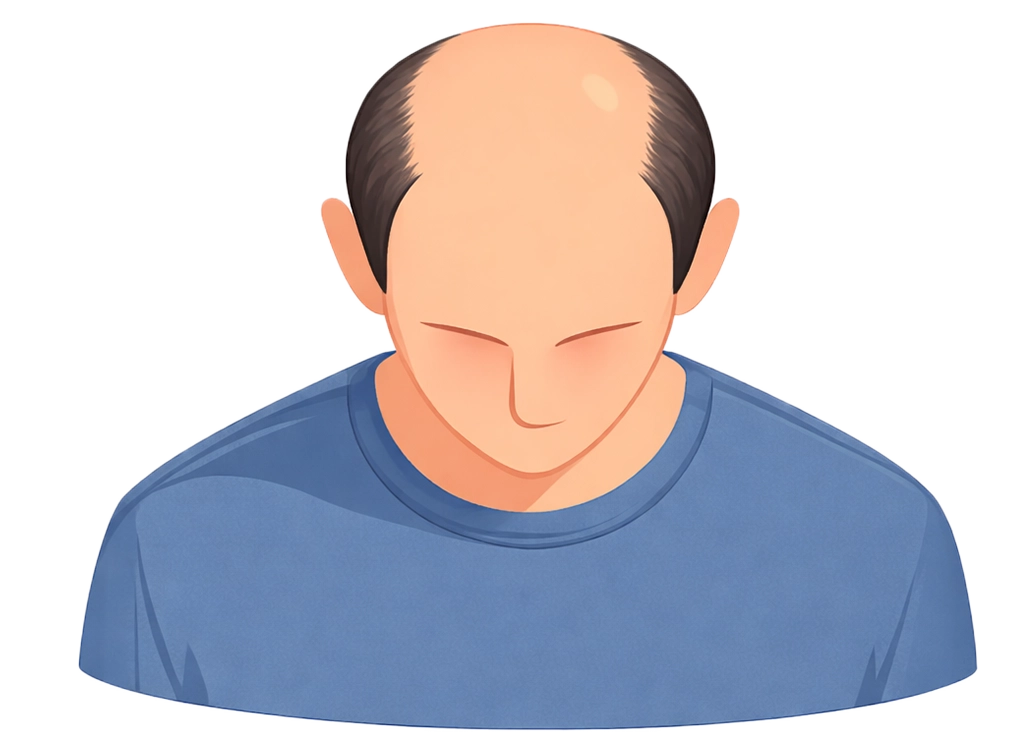
Most of the hair on the top is gone, leaving a horseshoe-shaped band of hair around the sides and back.

The crown and top are entirely bald, with some remaining hair along the sides and back.
Science
For many men, hair loss affects self-esteem, social interactions, and overall confidence. With 30-50% of men experiencing male pattern baldness by age 50, studies show that a large percentage are willing to invest in treatments to restore their hair. At Aventus Clinic, our patients frequently share how treatment has helped them feel more confident and comfortable, enhancing their quality of life. treatment and find that they can enjoy their life to a fuller potential without being as concerned about their hair loss.
Triggered by stress, illness, or major life changes, telogen effluvium leads to widespread hair shedding across the scalp. While often temporary, it can be distressing, causing sudden thinning.
An autoimmune disorder where the immune system attacks hair follicles, resulting in patchy bald spots on the scalp or even in facial hair, such as the beard. This condition can develop at any age and often appears suddenly.
A rare but impactful form of hair loss caused by inflammation that destroys hair follicles and leads to permanent bald patches on the scalp.
A condition in which hair shafts develop weak points, often due to chemical or physical stress, leading to hair breakage. Common in men who frequently use hair treatments or have naturally fragile hair.